
 Español
 ไทย
ไทย Melayu

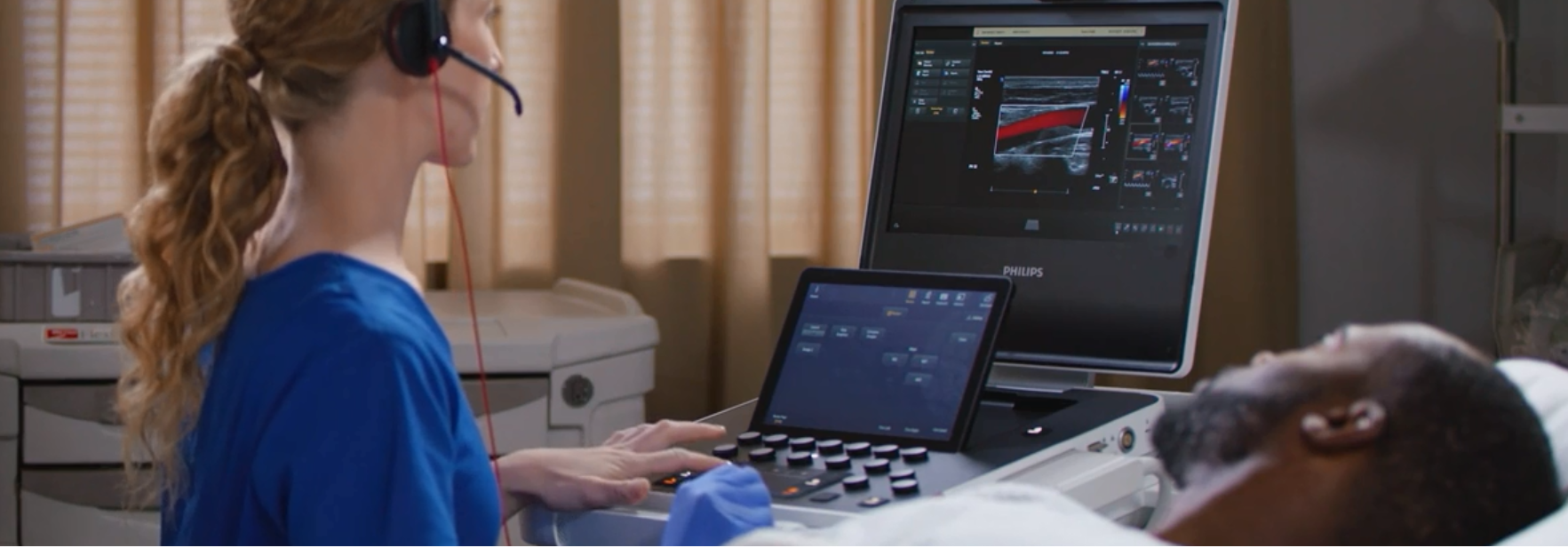
In recent years, ultrasound has become an important tool for making accurate clinical decisions. However, as the use of ultrasound increases, special care needs to be taken to ensure that ultrasound instruments and probes are effectively sterilized, especially in light of recent findings that link the outbreak of infection with improper use of ultrasound instruments.
Endoscopic procedures, transesophageal echocardiography, and transvaginal and transrectal probes (as a semi-invasive procedure) require special care. Since probes come in direct contact with broken skin, the same applies to non-invasive probes used for vascular access, cannula insertion, and wound assessment.
To prevent the spread of ultrasound infection, a series of decontamination measures must be implemented before and after using the device on the patient.
This article describes how and how to properly conduct cleaning of ultrasonic equipment and disinfection of ultrasonic transducers, and how to maximize the safety of patients and staff with standard procedures of workplace disinfection.
Protecting equipment, staff and patients: standardization of ultrasonic transducer disinfection
We investigated the association between ultrasound and the occurrence of infection and found differences in the way users clean and disinfect the probes, especially when using sterilized probe covers. This is the world health organization and the American institute of ultrasound medicine We emphasize the importance of adopting more standardized and compliant cleaning and disinfection methods in accordance with recommended ultrasonic transducer cleaning protocols. This suggests that practitioners need to do the following:
- Always use ultrasonic probe cover for interventional and intracavity ultrasound
- Ensure use of sterile gels during invasive and internal procedures
- Using sterile probe cover
- Use a cap with pores smaller than 30nm to protect the transducer from most viruses
- For the safety of patients and staff, wear gloves appropriately and properly during the examination
- Wear gloves when removing the transducer housing and take care that the transducer does not touch body fluids.
- Avoid wiping the probe with a dry towel, as it has been shown to cause contamination
- Sterilize the device for each patient.
But what is the difference between disinfection and decontamination? The decontamination of equipment involves disinfection, but it also includes some additional steps. Decontamination can be classified as follows.
- Cleaning
- Low-level disinfection
- Intermediate disinfection
- High level disinfection
- Disinfection.


